
Industrial Steel Pipe Brife Introduction


Steel pipes are cylindrical tubes made from steel, an alloy of iron and various other metals like aluminum, manganese, copper, and more. They are incredibly sturdy and durable, making them an essential component in numerous industries and infrastructures.

These pipes are primarily used to transport liquids or gases underground, including oil, gas, and water. They are the most utilized product made by the steel industry due to their versatility and utility in a wide range of applications. Steel pipes are also commonly employed in water supply systems and sewerage systems.

Among different types of steel pipes, carbon steel is the most common. It contains relatively low amounts of alloying materials, which makes it easy to fabricate and helps keep production costs down.
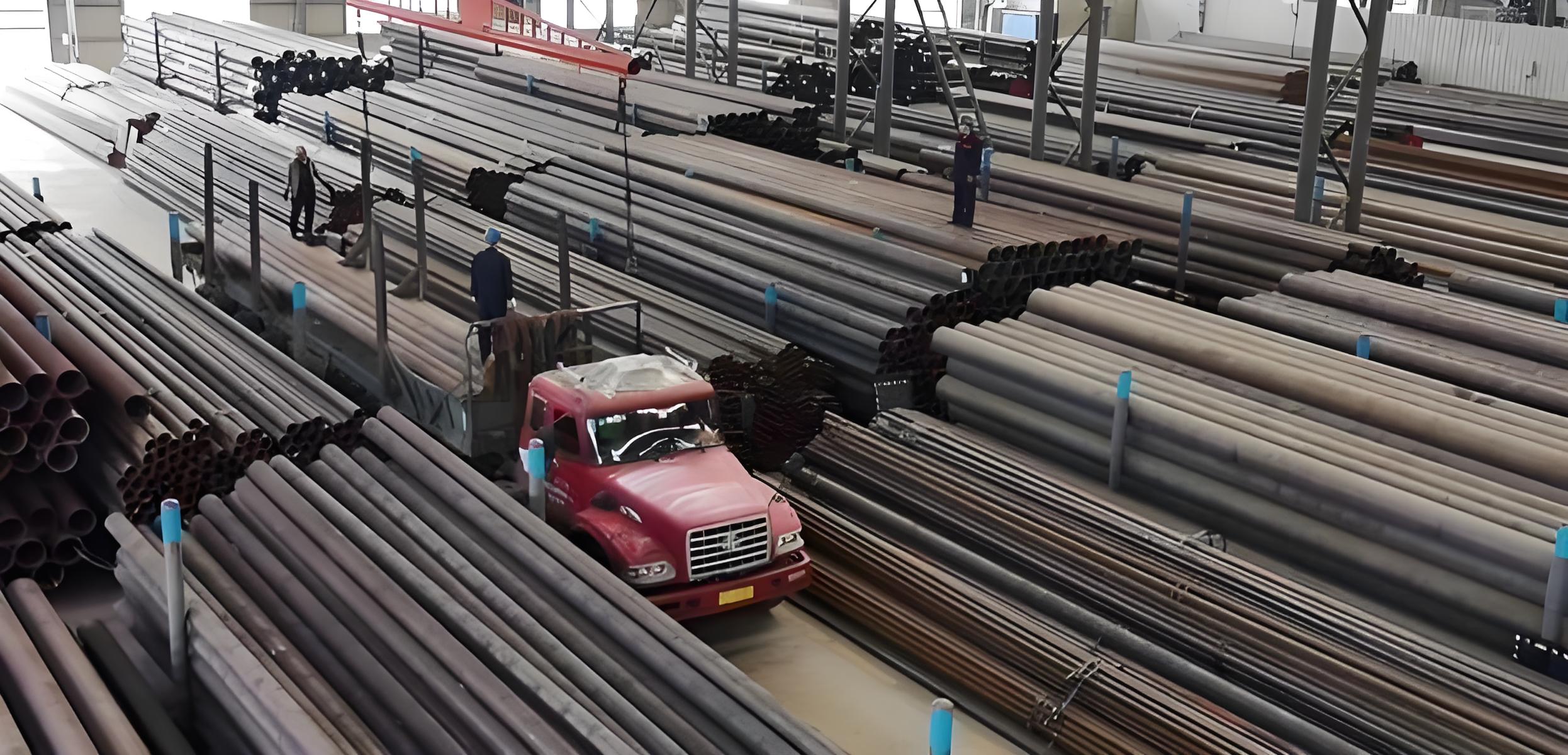
Industrial Steel Pipe Brife Introduction

While steel pipes are widely used in various industrial applications, they are not typically used for residential plumbing. The most common plumbing pipes found inside a home are PVC, PEX, ABS, copper, or galvanized steel pipe.

In summary, steel pipes are long, hollow tubes made from steel that serve a variety of purposes across multiple industries. Their strength, durability, and versatility make them an invaluable resource in our modern world.

#JSFITTINGS #RAYOUNG #STEELPIPE #FLANGE #STEELPIPE #MADEINCHINA #MANUFFACTURER #FACTORY #PIPEELBOW #PIPE REDUCER #INDUSTRYFLANGE

Email: admin@jsfittings.com

Whats App: 008618003119682

https://www.jsfittings.com

https://hb-steel.com

https://www.chinajsgj.com

Comments

Popular posts from this blog

Carbon Steel vs. Stainless Steel Pipe: Cost & Application

  Carbon Steel vs. Stainless Steel Pipe: Which Is Better for Your Project? The right industrial steel pipe choice depends on the fluid being transported, operating pressure and temperature, corrosion conditions, and the total cost of ownership. Carbon steel pipe is often the more economical choice for oil and gas pipelines, steam lines, industrial utilities, and general process piping where its corrosion resistance limitations can be managed. Stainless steel pipe is usually preferred when the process medium, contamination requirements, or operating environment demands greater corrosion resistance. For engineers, EPC contractors, pipe distributors, and procurement teams, understanding these differences helps avoid unnecessary material costs without compromising project requirements. 1. Carbon Steel vs. Stainless Steel Pipe: Key Differences Comparison Carbon Steel Pipe Stainless Steel Pipe Main alloying elements Primarily iron and carbon Iron, chromium, and other alloying elements C...

ASTM A106 Grade B Pipe Specification: Properties, Size Range, and Material Comparisons (A106 vs. A333 / A53 / API 5L)

  ASTM A106 (ASME SA106) Grade B is the standard specification for seamless carbon steel pipe for high-temperature, high-pressure service. Engineered specifically for process piping, steam lines, and refinery furnaces, it must be manufactured from fully deoxidized (“killed”) steel to ensure structural integrity under thermal load. 1. ASTM A106 Grade B Engineering Parameter ASTM A106 Grade B Specification Manufacturing Process Strictly Seamless (Hot Finished or Cold Drawn) Steel Metallurgy Fully Killed Carbon Steel Min. Yield Strength 240 MPa (35,000 psi / 35 ksi) Min. Tensile Strength 415 MPa (60,000 psi / 60 ksi) Elongation in 2 in. (50mm) Standard min. 30% (longitudinal), varies with wall thickness Standard Size Range NPS 1/8” to NPS 36” (Custom ODs up to 48” upon request) Standard Schedules Sch 20, Sch 30, Sch 40, STD, Sch 80, XS, Sch 160, XXS 2. Chemical Composition Requirements (% Max, Heat Analysis) The performance of A106B in high-temperature applications depends heavily o...

Carbon Steel vs. Stainless Steel vs. Alloy Steel: How to Choose Pipe Materials for Water, Oil, Gas and Other Fluids

  Choosing the right material for industrial pipes and fittings starts with the fluid being transported, but the medium alone does not determine the best option. Carbon steel is widely used for water, oil and natural gas systems where corrosion and temperature are manageable. Stainless steel is often preferred for corrosive fluids and hygienic or high-purity applications, while alloy steel is commonly selected for high-temperature and high-pressure service. The right choice depends on fluid chemistry, operating pressure, temperature, corrosion risk, applicable standards and total lifecycle cost—not simply the material price. For engineers, distributors and industrial procurement teams, understanding these differences helps avoid unnecessary material costs and reduces the risk of premature pipeline failure. 1. Carbon Steel vs. Stainless Steel vs. Alloy Steel Each material has its own strengths. No single grade is suitable for every piping application. Material Main advantages T...