A Comprehensive Guide of 10 Most Used Pipe Flanges: Their Features, Uses, and Advantages

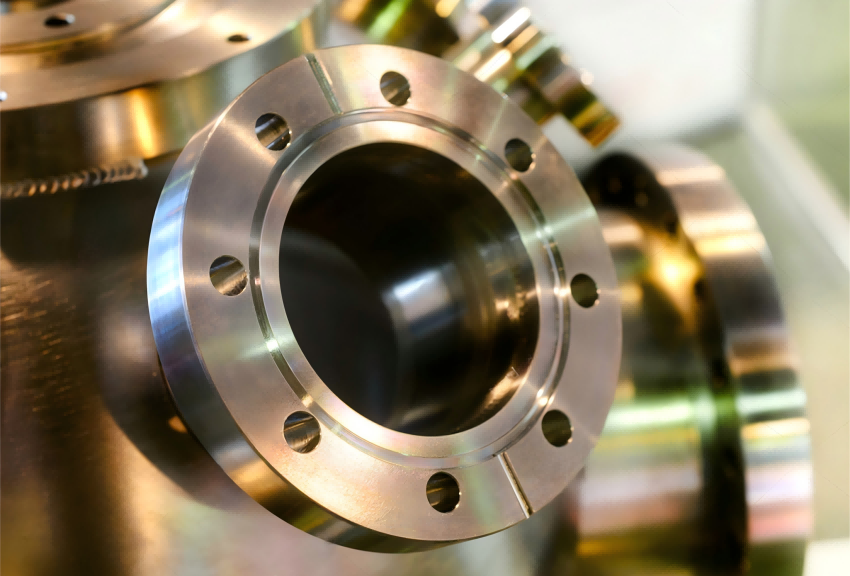
 Pipe flanges are an integral part of many industrial processes, providing a robust and flexible connection for pipes, valves, pumps, and other equipment. They come in a variety of types, each with its own unique features, uses, and advantages. Here is a comprehensive guide to the ten most used pipe flanges:


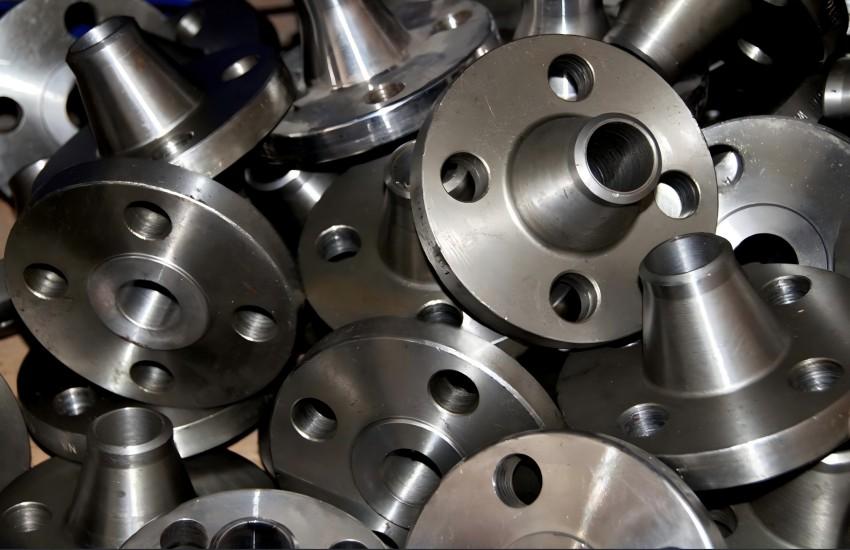
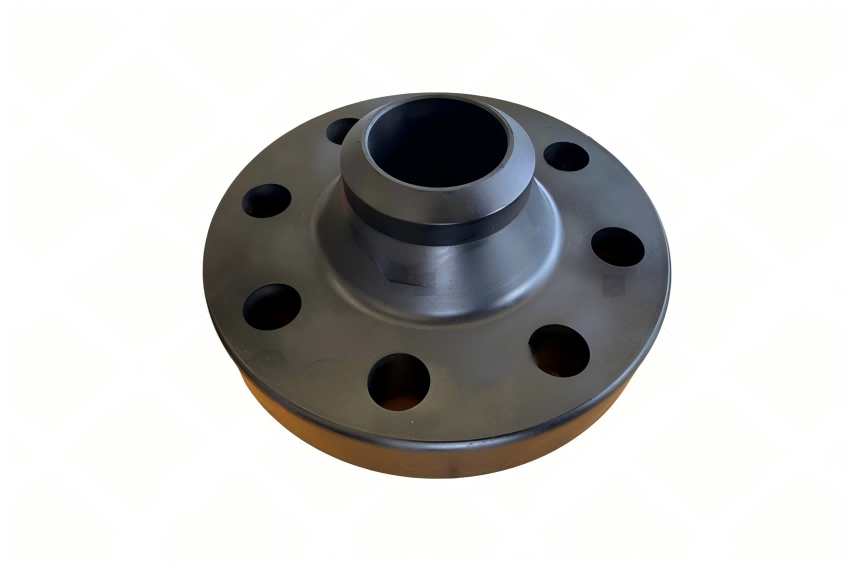
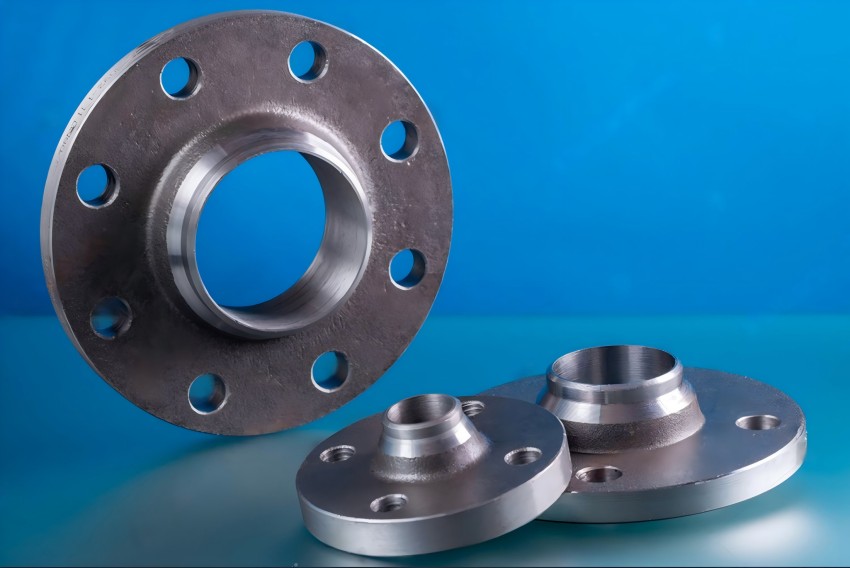
  1. Weld Neck Flanges: These flanges are distinguished by their protruding neck, which is welded to the pipe. The design creates a smooth and gradual transition that reduces stress concentrations and makes them ideal for high-pressure applications.Weld Neck Flanges
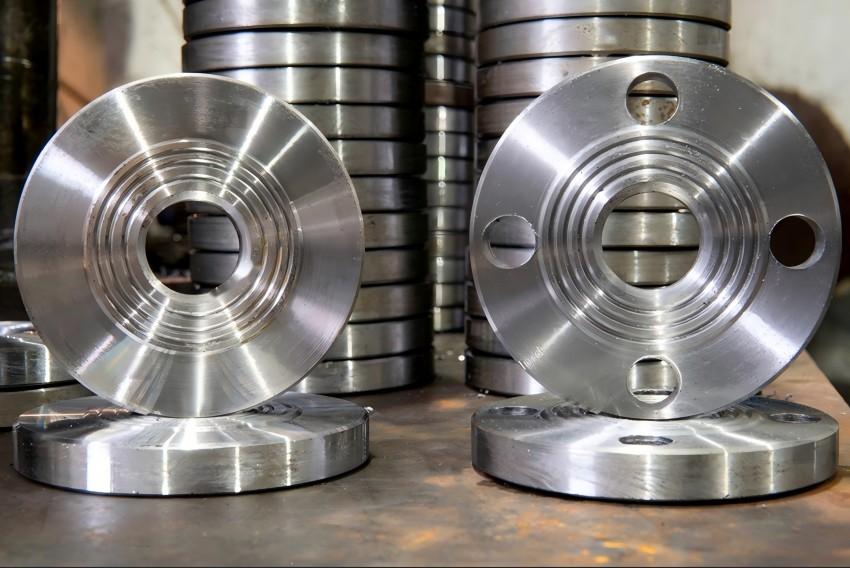
  2. Slip-On Flanges: As the name suggests, these flanges simply slip over the pipe. They are then welded both inside and outside to provide sufficient strength and prevent leakage. Slip-on flanges are cost-effective and easy to align.SO Flanges
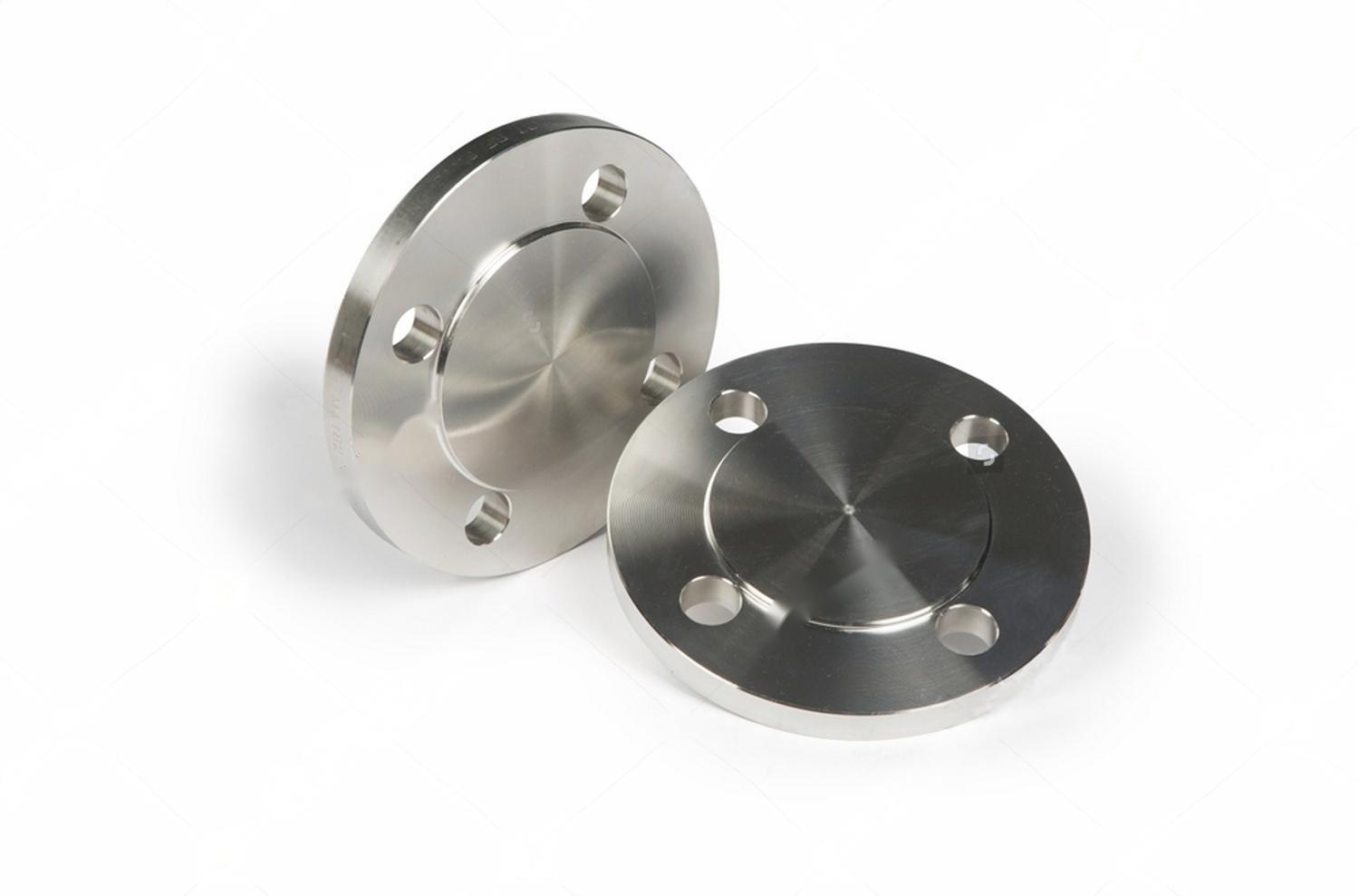
  3. Blind Flanges: These are used to seal off a piping system or vessel opening. They have no bore and are commonly used for testing the flow of gas or liquid in a pipeline.Blind Flanges
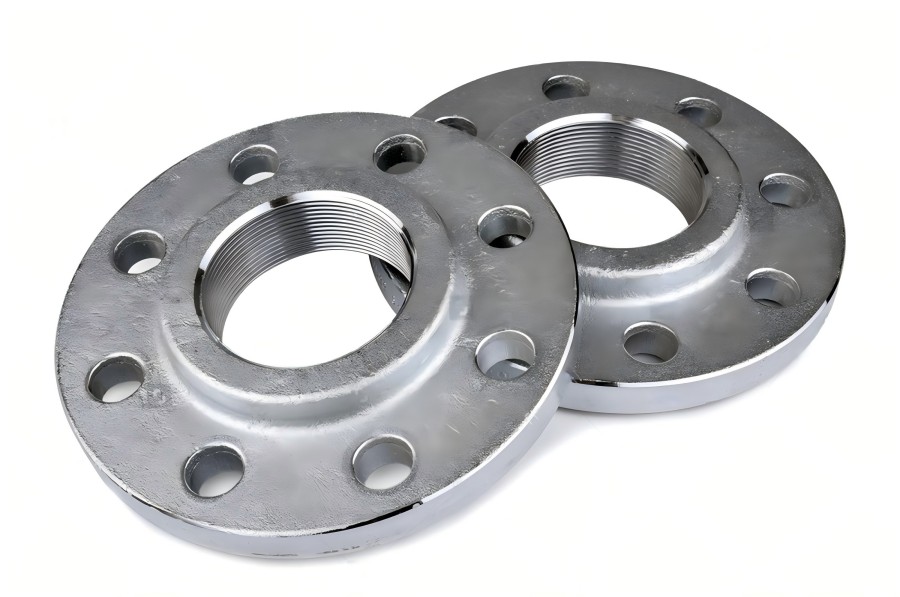
  4. Threaded Flanges: These flanges are similar to slip-on flanges but are threaded into the pipe. This eliminates the need for welding, making them ideal for extremely high-pressure applications.Threaded Flanges
  5. Socket Weld Flanges: Used for small pipe diameters, these flanges allow the pipe to be inserted into the socket of the flange before welding. This ensures high resistance to fatigue caused by bending stresses.Socket Weld Flanges
  6. Lap Joint Flanges: These flanges consist of two parts: a stub end and a loose backing flange. They are ideal for systems that require regular dismantling for inspection and cleaning.Lap Joint Flanges
  7. Orifice Flanges: These are used for measuring the flow rate of liquids or gases in a pipeline. They are essentially a pair of slip-on flanges with a hole in the center for an orifice plate.Reducing Flanges
  8. Reducing Flanges: These flanges are used to connect pipes of different sizes. They eliminate the need for a reducer because one side of the flange is larger than the other.
  9. Long Weld Neck Flanges: Similar to weld neck flanges, these have a longer neck. They are often used in high-pressure applications where reinforcement is required.
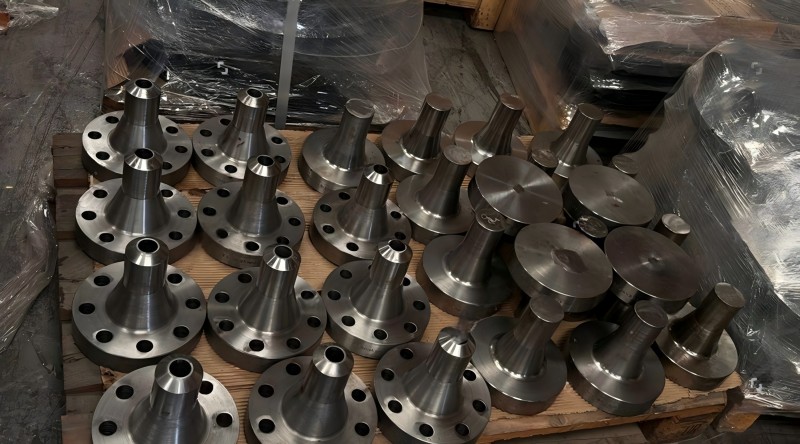
  10. Long Weld Neck Flanges
  11. Expander Flanges: These are a cheaper (and lighter) alternative to using a separate reducer-welding neck flange combination. They are commonly used in offshore oil and gas pipelines.Expander Flanges

In conclusion, pipe flanges play a critical role in various sectors, including oil and gas, petrochemicals, pharmaceuticals, and more. Understanding the differences between them can help choose the right flange for your specific application.


[Sources: Hardhat Engineer, Global Spec, Texas Flange, MachineMfg, Essentra Components, Dixon Valve, Tameson, Project Materials, Westermans, The Engineers Post]

#JSFITTINGS #RAYOUNG #STEELPIPE #FLANGE #STEELPIPE #MADEINCHINA #MANUFFACTURER #FACTORY #PIPEELBOW #PIPE REDUCER #INDUSTRYFLANGE

Email: admin@jsfittings.com

Whats App: 008618003119682

https://www.jsfittings.com

https://hb-steel.com

https://www.chinajsgj.com

Comments

Popular posts from this blog

Carbon Steel vs. Stainless Steel Pipe: Cost & Application

  Carbon Steel vs. Stainless Steel Pipe: Which Is Better for Your Project? The right industrial steel pipe choice depends on the fluid being transported, operating pressure and temperature, corrosion conditions, and the total cost of ownership. Carbon steel pipe is often the more economical choice for oil and gas pipelines, steam lines, industrial utilities, and general process piping where its corrosion resistance limitations can be managed. Stainless steel pipe is usually preferred when the process medium, contamination requirements, or operating environment demands greater corrosion resistance. For engineers, EPC contractors, pipe distributors, and procurement teams, understanding these differences helps avoid unnecessary material costs without compromising project requirements. 1. Carbon Steel vs. Stainless Steel Pipe: Key Differences Comparison Carbon Steel Pipe Stainless Steel Pipe Main alloying elements Primarily iron and carbon Iron, chromium, and other alloying elements C...

ASTM A106 Grade B Pipe Specification: Properties, Size Range, and Material Comparisons (A106 vs. A333 / A53 / API 5L)

  ASTM A106 (ASME SA106) Grade B is the standard specification for seamless carbon steel pipe for high-temperature, high-pressure service. Engineered specifically for process piping, steam lines, and refinery furnaces, it must be manufactured from fully deoxidized (“killed”) steel to ensure structural integrity under thermal load. 1. ASTM A106 Grade B Engineering Parameter ASTM A106 Grade B Specification Manufacturing Process Strictly Seamless (Hot Finished or Cold Drawn) Steel Metallurgy Fully Killed Carbon Steel Min. Yield Strength 240 MPa (35,000 psi / 35 ksi) Min. Tensile Strength 415 MPa (60,000 psi / 60 ksi) Elongation in 2 in. (50mm) Standard min. 30% (longitudinal), varies with wall thickness Standard Size Range NPS 1/8” to NPS 36” (Custom ODs up to 48” upon request) Standard Schedules Sch 20, Sch 30, Sch 40, STD, Sch 80, XS, Sch 160, XXS 2. Chemical Composition Requirements (% Max, Heat Analysis) The performance of A106B in high-temperature applications depends heavily o...

Carbon Steel vs. Stainless Steel vs. Alloy Steel: How to Choose Pipe Materials for Water, Oil, Gas and Other Fluids

  Choosing the right material for industrial pipes and fittings starts with the fluid being transported, but the medium alone does not determine the best option. Carbon steel is widely used for water, oil and natural gas systems where corrosion and temperature are manageable. Stainless steel is often preferred for corrosive fluids and hygienic or high-purity applications, while alloy steel is commonly selected for high-temperature and high-pressure service. The right choice depends on fluid chemistry, operating pressure, temperature, corrosion risk, applicable standards and total lifecycle cost—not simply the material price. For engineers, distributors and industrial procurement teams, understanding these differences helps avoid unnecessary material costs and reduces the risk of premature pipeline failure. 1. Carbon Steel vs. Stainless Steel vs. Alloy Steel Each material has its own strengths. No single grade is suitable for every piping application. Material Main advantages T...